Fighting misinformation in the age of anti-racism backlash

Identifying manipulation and responding effectively across Europe

Publishing date
11 Feb 2026
Author

LianeR
Liane R (She/They)
Communication Expert

SPARK Communities

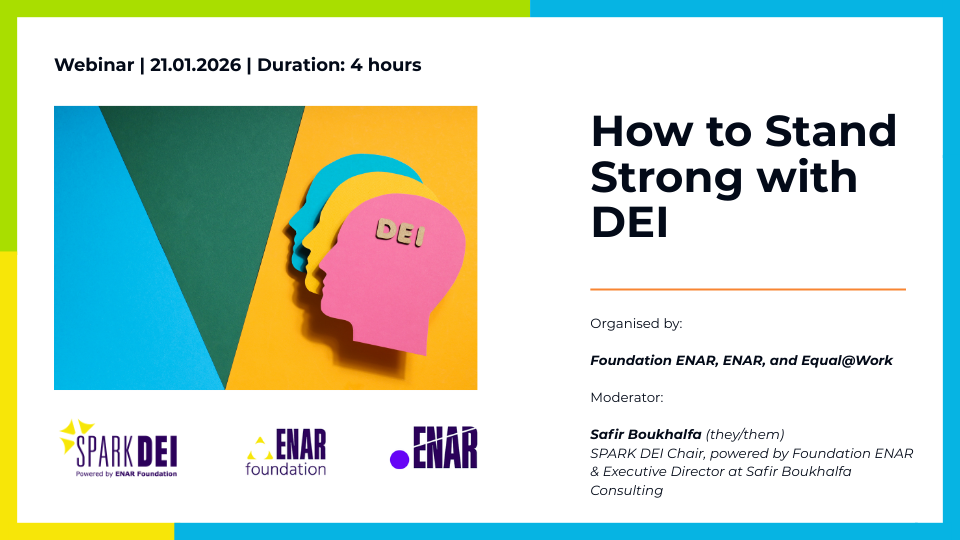
In January 2026, Foundation ENAR brought together racialised journalists, educators, and DEI practitioners to confront a growing challenge: how misinformation and disinformation campaigns are being weaponised to undermine anti-racism and DEI work across Europe.

False narratives circulate rapidly through media and online platforms, fuelling backlash in organisations and communities. Frontline practitioners often lack shared strategies for identifying and countering these tactics. The first panel of "How to Stand Strong with DEI" addressed this head-on, offering evidence-based approaches that people can apply immediately in their workplaces and communities.

What makes misinformation and disinformation particularly dangerous in DEI spaces?

Misinformation works because it exploits real anxieties and existing prejudices. It doesn't require a kernel of truth but it thrives when it taps into fears about change, loss of status, or threats to cultural identity. In the context of DEI, misinformation often takes the form of false claims about "reverse racism," accusations that anti-racism training is "indoctrination," or distortions of research on racial inequality.

What distinguishes misinformation from disinformation is intent. Misinformation spreads through genuine misunderstanding or ignorance, while disinformation is deliberately fabricated to deceive. Both are damaging but disinformation is strategic, funded, and coordinated.

Understanding this distinction matters because it changes how we respond.

Webinar DEI SPARK

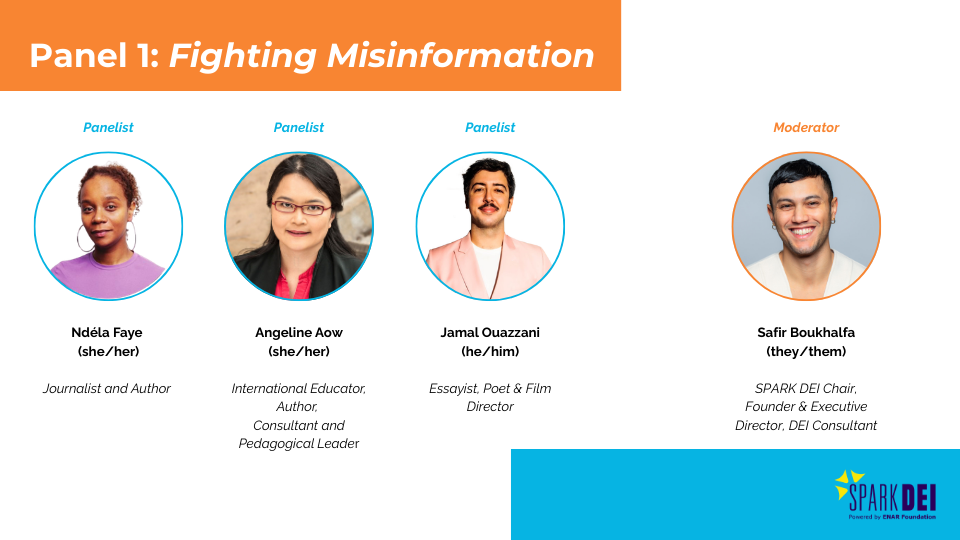
Panellist Ndéla Faye, a journalist based across multiple European countries, brought crucial insight into how these narratives operate across borders. Media ecosystems in different countries amplify different messages, while the playbook remains similar with framing DEI as extreme, creating division between different groups working for justice, casting anti-racism as a threat rather than a remedy.

Practical strategies for identifying and countering manipulation

The panel shared concrete approaches that move beyond simply debunking false claims – an approach that often backfires by repeating the misinformation and embedding it further in people's minds.

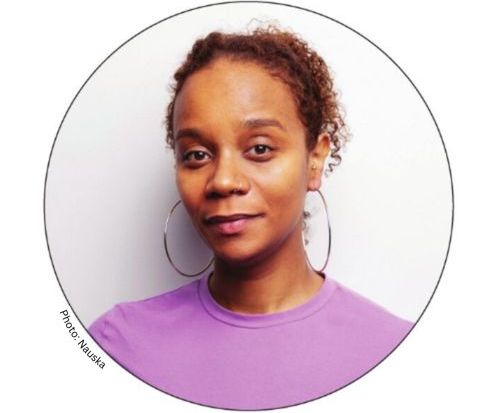
Ndela Faye

Check the source, not just the claim.

  • Who created this content?

  • Who is funding its distribution? Understanding the actor behind the misinformation reveals its purpose.

    • Is it a bad-faith politician seeking to mobilise voters?

    • A corporate lobby protecting profit?

    • An algorithm designed to maximise engagement through outrage?

The same claim carries different weight depending on its source.

Reframe rather than refute.

When facing misinformation, introducing counter-evidence can actually entrench false beliefs – a phenomenon called the "backfire effect." Instead, reframe the conversation around shared values. Rather than spending energy disproving a false claim about DEI, redirect the conversation to what people actually care about: fairness, safety, economic opportunity. Show how anti-racism work advances these goals.

Build media literacy from within.

In organisations and communities, people need tools to evaluate information critically. This isn't about teaching people what to think, but how to think. Educators like Angeline Aow, who works internationally to help schools become more inclusive, emphasised that critical thinking about media and narratives must be embedded in ongoing education, not treated as a one-off intervention.

Mobilise community voices.

Misinformation thrives in isolation. When DEI practitioners, grassroots organisers, and racialised communities are connected and visible, they can counter false narratives with lived experience and collective witness. This is why networks like SPARK DEI matter. They create platforms where racialised voices can be heard and amplified.

angeline aow
The emotional labour of fighting misinformation

One reality that emerged from the panel is that countering misinformation is emotionally taxing work. Jamal Ouazzani, a French-Moroccan essayist, poet and DEI consultant, spoke powerfully about the daily exhaustion of having to defend the basic humanity and rights of racialised people against distortions and lies. This emotional toll is often invisible in discussions of DEI "resistance" but it's central to understanding why practitioners burn out.

Organisations and movements must acknowledge this cost. Practitioners should not be expected to absorb the emotional labour of countering misinformation alone. It is structural work that requires institutional support, adequate resources, and care for those doing it.

jamal ouazzani
What it means today

Europe is at a critical juncture. The European Commission's recent anti-racism strategy, as several speakers noted, falls short of what communities and practitioners have been calling for: clear political ambition, binding commitments, and strong mechanisms for enforcement and accountability. In this gap between rhetoric and action, misinformation flourishes.

There is power in clarity. When practitioners understand how manipulation works, how it exploits fear, how it leverages algorithms, how it moves across borders, they can respond strategically rather than reactively. The goal is not to win arguments but to protect space for genuine dialogue, and to keep the focus on what anti-racism work actually achieves: safer, more equitable communities where everyone can belong.

The conversation doesn't end with this webinar. Foundation ENAR continues to bring together practitioners, researchers,  community, and grassroots organisers to develop shared understanding and strategy around the challenges facing anti-racism work in Europe. If you are engaged in this work – whether in HR, education, activism, or policy – your voice and experience matter. Join the SPARK DEI community, engage with Foundation ENAR's resources, and contribute to the collective building that sustains this movement over time.

Fighting Misinformation Webinar DEI SPARK

Related articles

SPARK Communities
No one is expendable
Author
Safir Boukhalfa (They/Them)
Date
9 Jan 2026
Read more about No one is expendable
SPARK Communities
Letter from the SPARK Academia Chair
Author
Nadira Omarjee (She/Her)
Date
9 Dec 2025
Read more about Letter from the SPARK Academia Chair
SPARK Communities
Books: summer reading for systemic change
Author
Liane R (She/They)
Date
3 Jul 2025
Read more about Books: summer reading for systemic change