The climate crisis is not a neutral emergency. It disproportionately burdens racialised communities, those who have contributed least to the crisis yet bear its heaviest consequences. And yet, as Europe races to build a green economy, the communities, founders, and organisations best positioned to lead this transition remain chronically underfunded and structurally excluded from the capital flows meant to drive it.
This is precisely why the work of our REJI (Racial and Economic Justice Investment) Fund Coordinator, Louis-Georges Regis, goes beyond investment. It is about dismantling the systemic barriers that lock racialised-led climate ventures out of the room where decisions and capital are made.
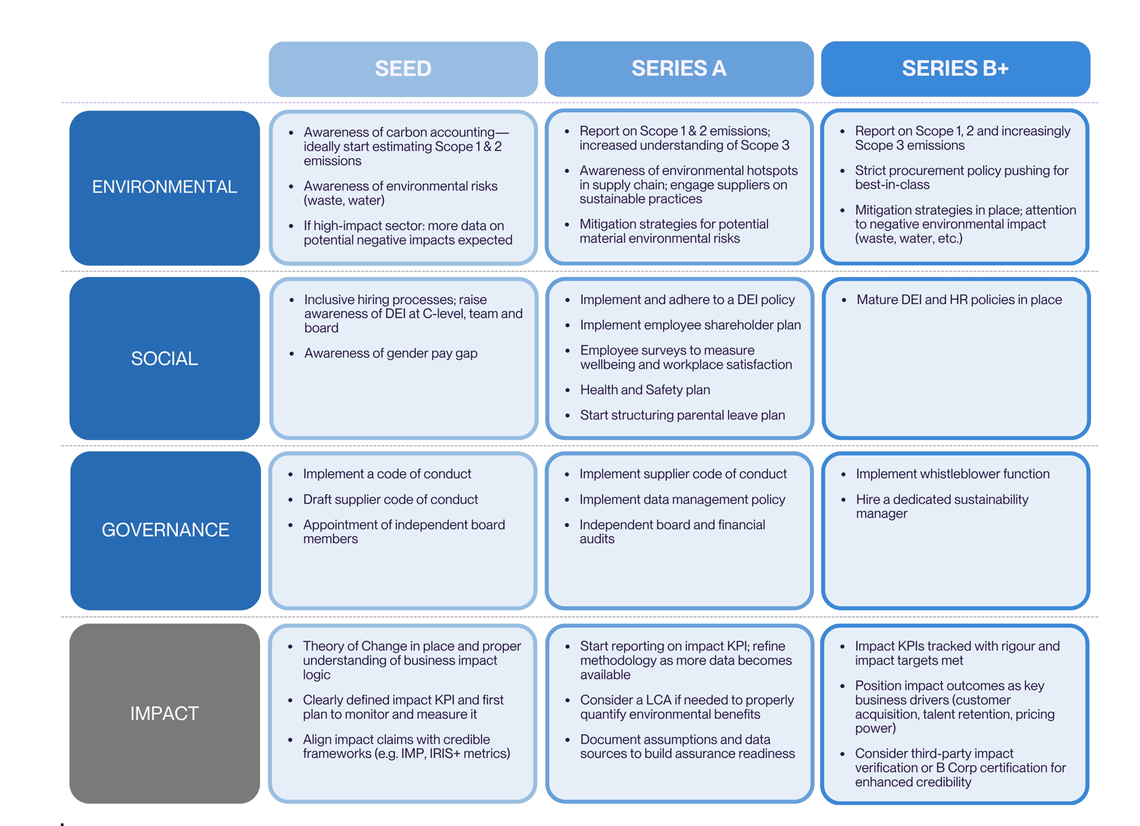
In his latest co-authored piece for the Global Climate Finance Forum, Louis-Georges, alongside Anil Maguru and Elizabeth Cadavid Correa from Satgana, unpacks a critical challenge: how European sustainability frameworks like SFDR, CSRD, and CBAM, however well-intentioned, create unintended barriers for early-stage climate companies in the Global South. More importantly, they offer a roadmap for turning these constraints into competitive advantage.
At Foundation ENAR, we know that the strongest climate solutions come from those closest to the problem. That means racialised founders, community-led initiatives, and entrepreneurs who have been building resilience not out of aspiration, but necessity. For the climate transition to be genuinely just, it must make space for their leadership, their data, and their narrative on their own terms.
We invite you to read this piece as both a practical guide and a call to action. Diversity in climate finance is not a compliance checkbox. It is a prerequisite for impact.
Read here: "Beyond Compliance: How early-stage climate companies can turn ESG into competitive advantage"